

The priming effect
At first glance, the brand’s tone is evident, and the message of the space becomes clear.
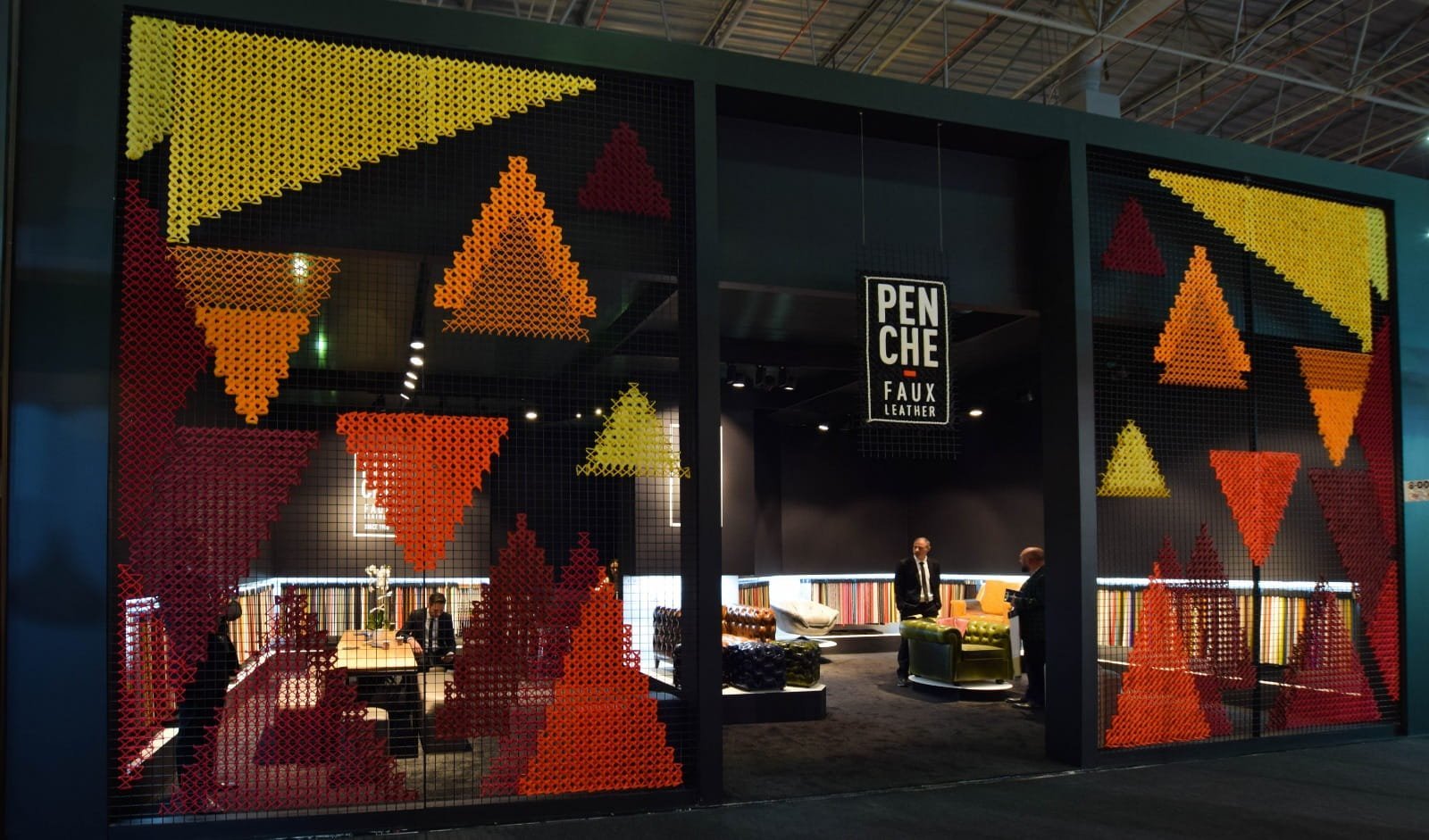
Spatial experience design establishes a narrative structure that guides the visitor’s journey. Every step, from the entrance to the exit, is carefully designed.
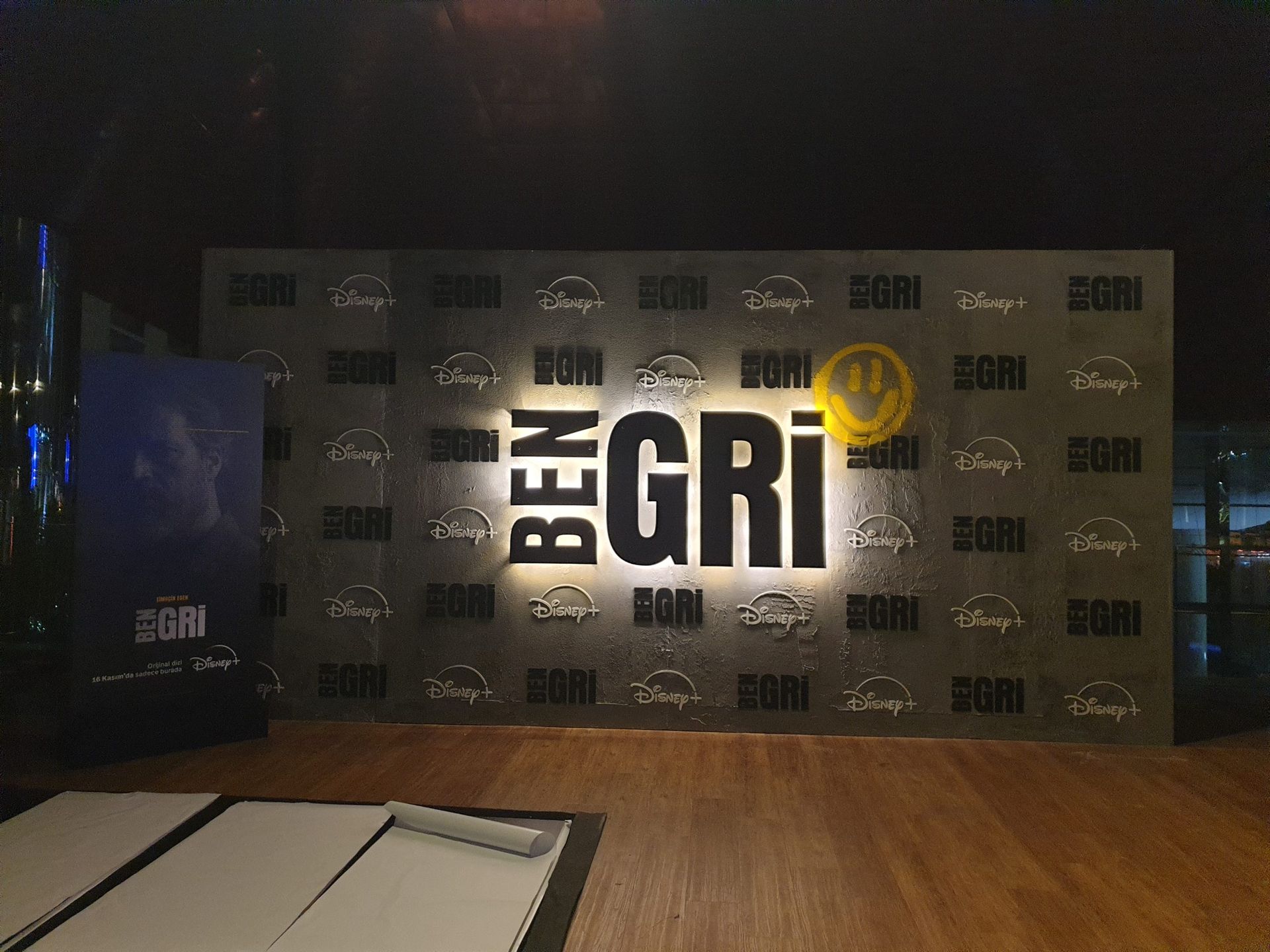
Spatial route design thoughtfully structures every step a visitor takes, from the entrance to the exit. Stopping points, transitions and focal points come together within a single narrative framework.
In this way, visitors intuitively interpret the space and experience the brand’s story step by step.
At first glance, the brand’s tone is evident, and the message of the space becomes clear.
Visitors are guided intuitively; stops, transitions and focal points work together.
Graphical surfaces, objects, lighting and production details are woven together into a single atmospheric language.
Together, we analyse the space’s boundaries, the brand’s tone and how visitors will interact with the space.
We bring moments of greeting, orientation, pausing and recollection to life within a single flow.
We design materials, graphic surfaces, lighting and objects as parts of the same spatial narrative.
We prepare clear, readable and producible outputs to enable the implementation team to consistently recreate the same atmosphere.
This is a sample information text on search engine optimisation (SEO). To improve your website’s visibility, it is important to focus on criteria such as keyword optimisation, mobile compatibility and fast page loading times. Updating your content regularly and providing a user-friendly structure will help you rank higher in search engines.